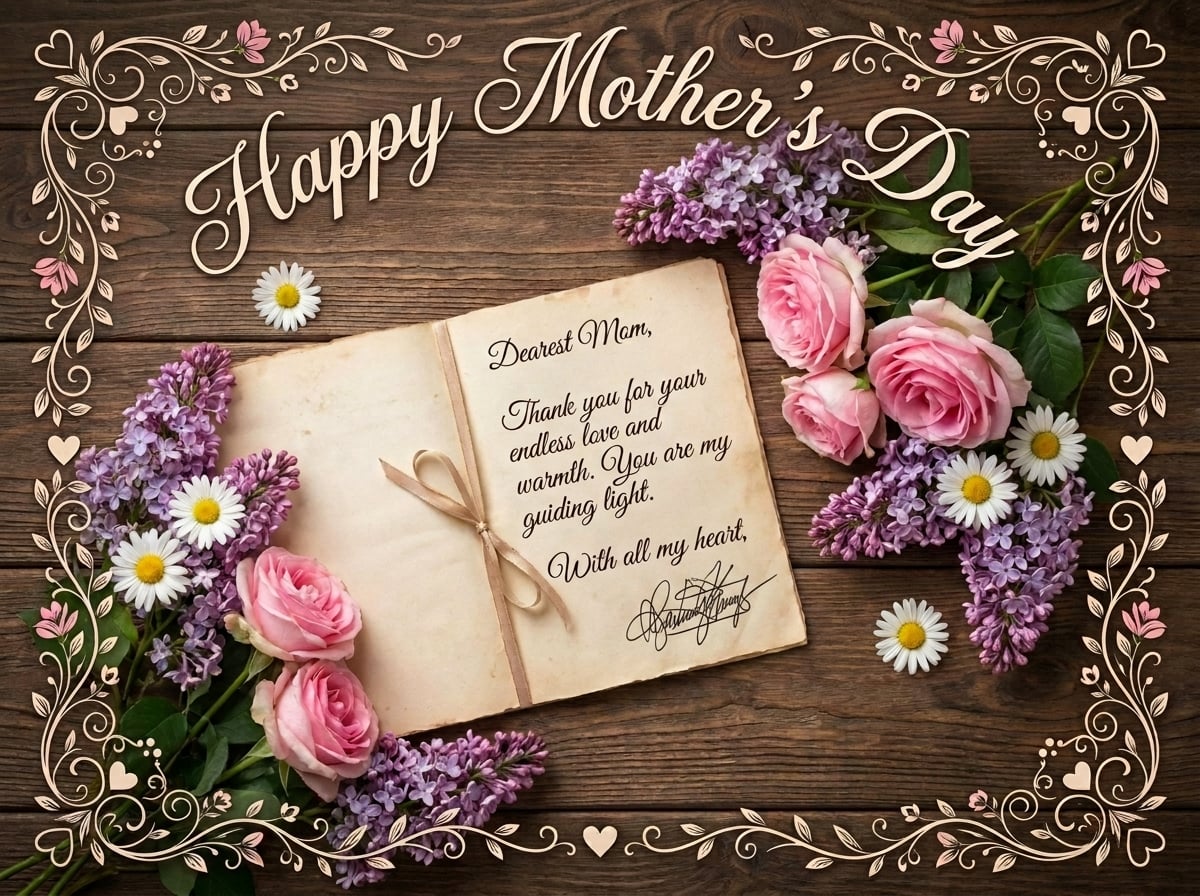
Dear Reader, I’m writing this to you on Mother’s Day, though you’ll be reading it tomorrow. I hope yesterday was a good one — whether you were celebrating or being celebrated, or simply missing someone. The Woman Who Created Mother’s DayHere’s something almost nobody knows: the woman who created Mother’s Day died broke, blind, and alone in a sanitarium because she spent every dollar she had trying to cancel the very holiday she built. Her name was Anna Jarvis. When her beloved mother, Ann died in May 1905, Anna made a promise at the graveside that the world would remember women like her. She launched a relentless letter-writing campaign to politicians and church leaders across the country, and in 1914, President Woodrow Wilson signed Mother’s Day into law as a national holiday. Anna Jarvis had done it. And almost immediately, she was furious. Within years, florists were tripling the price of carnations every May. Greeting card companies were printing millions of sentimental verses. Candy makers tied chocolate boxes to the holiday. Anna had imagined something quiet and sacred — a handwritten letter, a church visit, a daughter sitting beside her mother. What she got was a retail event. She fought back with everything she had by organizing boycotts and threatening lawsuits. She once stormed a confectioners’ convention in Philadelphia to protest candy companies profiting from the holiday. When the American War Mothers sold carnations at their convention to raise funds, Anna crashed the meeting, screamed, threw the flowers, and was arrested for disturbing the peace. In her own words: “A printed card means nothing except that you are too lazy to write to the woman who has done more for you than anyone in the world.” She died in 1948, penniless and forgotten. The greeting card and floral industries — in a final bitter irony — quietly paid her sanitarium bill. The Anti-War Roots Nobody RemembersEven before Anna Jarvis, there was another woman with a vision for Mother’s Day, and it had nothing to do with flowers or cards. In 1870, Julia Ward Howe — the same woman who wrote the Battle Hymn of the Republic — issued what she called a Mother’s Day Proclamation. Fresh from the devastation of the Civil War, she called on the mothers of the world to rise up and refuse to let their sons be sent to slaughter each other. Her Mother’s Day was a peace movement. A protest. A declaration that the women who bore children into the world had the right — and the responsibility — to protect them from war. It never became a national holiday. But it planted a seed. Two very different women. Two very different visions. One holiday that became neither. A Mother’s Last GiftAnna Jarvis wanted us to remember real mothers — not a greeting card version of one. So, let me tell you about Alice. Alice knew she was dying. And rather than spend what time she had left in grief, she spent it giving. She wanted to make this last Christmas special. It was for herself and the children. They would have to go on without her. She made them handmade gifts. She created special moments. They would remember these moments long after she was gone. She barely made it to Christmas. But she made it. And her children made sure that Christmas was as beautiful for her as she was trying to make it for them, and they didn’t find the most beautiful commercial card. Everything they did for each other was handmade with love. That quiet, unspoken love flowing in both directions at once. I haven’t found a better definition of motherhood in all my years of writing. If you’d like to meet her, she’s waiting for you in A Mother’s Last Gift.
| 





Comments
Post a Comment